
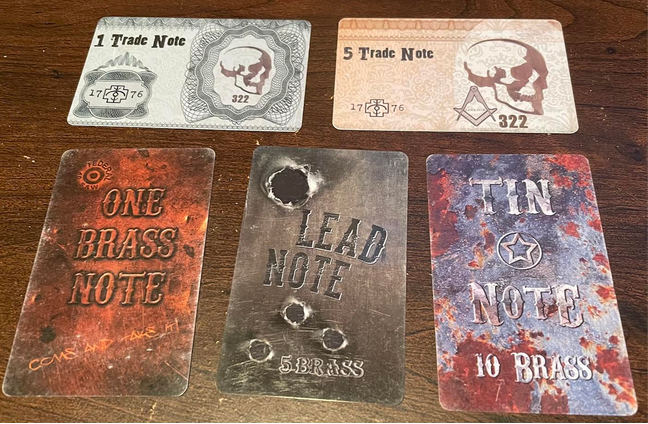
Once you’ve attended your first Dystopia Rising Live event, you might have noticed a few players with different forms of Currency cards than the ones you are used to seeing. While the trusty BRASS NOTE is our currency of choice in DR:TX, each chapter across the nation can have their own currency. Over the years of games opening and closing or chapter ownership changing, there are some chapters that have multiple versions of currencies that have been used over the history of their game. There’s even some currency floating around out there from games that are no longer around, and even some ultra-rare currencies from games that never even happened. Some players even value some other types of collectables, with funny things like wall stubs, flowers, chits, or fake player-made currencies in their collection!
This amazing diversity of currency cards leads many players to build their very own collection of weird and unusual rectangles, as each person tries to gather their favorite shinies in one place. This guide is meant to help understand some of the options you have when you set out to build a currency collection of your own, as well as a list of the major currencies that are collected across the network.
Currency Collecting 101
A Guide to Collecting Rectangles in Dystopia Rising Live
by Jonathan Loyd
Getting Started with Currency Collecting
The first place to start with building a currency collection of your own is to understand the basics of the economy in game. I’ve written an essay called “Turbo’s Guide to the Economy” that talks about this a little, but I’ll rephrase and update a few concepts here. Let’s first talk about what Currency cards are:
Local Currency - These are a form of item card printed on thick plastic cards and represent the in-game money used by characters and organizations in the world. Each chapter has its own local currency, and many players collect the various different types of currency in the game. Currency usually has a set value and is taken by almost everyone (save for a few really pious Red Stars, maybe), and comes in increments of 1-, 5, 10-, and 20-notes.
There are two types of currency that you will find at every game, Local Currency and Trade Notes.
Brass (฿) - The local currency of the San Saba Territories is the Brass Note. This comes in four varieties, the single currency Brass Note, the five currency Lead Note, or the ten currency Tin Note, and the twenty currency Steel Note.
Trade Notes - The humble Trade Note is a universal currency used by the merchant guilds of the wastes. It comes in 1- and 5-notes and can usually be traded with travelers at any branch in the network. There are some rare versions of Trade Notes that are worth 33 each, but these are largely collector’s items and no longer in direct print. Trade Notes can only be acquired using the Proficient Financial Manipulation Skill or at network-level events.
Each chapter owner commissions art for the currency to match their settlement and orders it through the network sources, but they can only order currency cards for their chapter. While they can choose to retire or update their currency, the only real way to get non-local is to travel to other games or make connections with players that travel to your local game.
There are several ways you can acquire Currency cards in game:
The Elitariat Lineage Advantage is probably the best method to assist Currency collecting. For a few mind you can start a game with 18 local currency, enough to get the 1-note, 5-note, and 10-note from any game you visit.
Proficient Financial Manipulation can generate Local Currency from Trade Notes and vice versa, at a 5:1 rate for Trade Notes, or a 3:1 rate for Local Currency. This is most useful for traveling collectors, as you can guarantee access to a game’s currency cards as soon as game starts and it’s a good way to acquire a 20-note.
Basic Foraging and the Future Investments Contract can convert two Foraging Cards into 5 currency.
The Lucky Poker Chip and the Gimme Your Kicks profession skill can gather currency from dead raiders.
The Angry Anchor Work Ship can provide currency back after a Travel skill use, but it’s random and not guaranteed.
A fairly reliable way to earn currency is simply looting the bodies of fallen foes in battle. Many zombies can have a few currency cards as loot, and many Lineage threats have currency in their pockets for skills like Pickpocket.
There are often NPC merchants and contacts that may offer to trade money for tasks or favors, and in DR:TX we have handy Work Orders that can be acquired from the Post Office that can help you earn some money.

Categories of Collectibles
Within the Currency collecting spectrum, there’s a few other non-official separations. In a general sense, when you set out to build a collection, you’ll need to decide exactly how far you want to go with collecting. Some folks will focus on just variations of their local currency or nearby neighboring games, while others will even look for variations in printings over the years.
Non-Local Currency - Each chapter has their own form of Local Currency, often with a cool story or tie into the history of the in-game settlement. Some chapters don’t have a 20-note yet, as this was a new value that was introduced with Dystopia Rising Live. In the early days of Dystopia Rising, chapters only had single notes or a 1- and 5-note. 5- and 10-notes were introduced in 2.0, so some of the oldest currencies you can collect don’t have higher values than a 1-note. Not every chapter has a different name for each currency denomination like Bravado, and most newer games simply refer to their currency and then the specific number. Differently named currency is generally a hallmark of a game that’s been running since 2.0 or earlier, but it’s truly up to each game how they choose to label their currency cards.
Network Currency - There are rare currencies that can only be obtained at certain Network-level events like Downfall or Deathcon. These currently include four special currencies for each of the major Network Factions, The Wells Society, the Arbiters of Bond, the Ossuary Society, and the Black Tide Hunters, but there have been several different currencies of this type over the years at past national events. You can read more about these current groups in the Social Creatures book. These currencies can be quite rare, as you not only have to attend one of these events in person, but you also have to impress one of the societies or participate in a mod to gain them.
Retired Currency - With each new edition, many of the oldest chapters have issued new versions of their standard currency, each with completely different art and designs. Some games may have three or four generations of currency cards that are still technically the same currency. Often, these older currencies are still accepted by many of the players of the chapter and even the Post Office, but the further you get away from that chapter the rarer these currencies become. This category is close to the Dead Currency types, but the main difference is the circulation numbers and the fact the chapter is still operating. There’s far more of these currency cards in player’s hands (particularly veteran players), so it’s much easier to acquire them for your collection until they are completely removed from circulation.
Dead Currency - Throughout the varied history of Dystopia Rising, there’s been a number of chapters that have closed their doors. Currencies that belong to a closed chapter are generally considered “dead”, as the supply of these cards are now finite. Even if a chapter reopens in that same area, they generally won’t have the license for the art used by the previous chapter. Currencies that belong to these defunct chapters can wildly vary in price and collect-ability, depending on how much of that currency left the chapter, how long the chapter was open, and generally how available that currency is to trade. Overall, dead currencies tend to increase in value the longer the chapter has been gone, and as the supply dwindles or gets consolidated into fewer hands.
Ultra-Rare Currency - By default, these are all dead currencies, but there’s a few of the currencies from the early days of Dystopia Rising that are even more difficult to find that others. These currencies were either extremely limited in how many were printed, came from a chapter that was in another country or across an ocean, and some never even entered play at all. These are the “white whales” for many currency collectors, as it can be very difficult to find a player willing to part with these or a player that has extras for trade. These types of collectibles will require significant patience and time to collect and are in my opinion the true prizes for any serious currency collector.
The last two categories are the most controversial between collectors, as these could effectively be considered “optional” categories. There’s a bit of debate of what belongs in these categories, so these are only for the most tenacious collectors.
Non-Currency Collectibles - This is a very diverse category and there are lot of opinions of what is actually considered a collectible. There are some weird plot-related collectibles that some consider in this category, like the fabled “Wall Stub” from an old national event, even though it’s not printed on a business card like the other currencies. I’ve seen some folks even collect challenge coins or other trinkets from events like raider trophies as part of their collections. I’ll cover a list of the ones that are the most “official” currencies, but there are some deep cuts here. Much like the real world, basically anything could be considered a collectible if it’s something you value so you might find some strange “currency” collector items out there.
Alternate Printings - Each time a currency needs to be reordered from the printers, there’s a chance of slight changes in the dye lots and other printing variations. Depending on the quality of the file they sent to the printers, it might be lighter or darker, off center, or even printed badly. This was mostly found in the 2nd generation of currencies, particularly during the 2.0 edition of Dystopia Rising. With the arrival of Dystopia Rising Live we’ve centralized this ordering process for owners so there should be fewer variations going forward. For older currencies, it can also be hard to tell if it’s a different printing of the currency, or just something that faded with wear over time. This is a nuance that I see many collectors not care much about, but there are many collectors out there with detailed descriptions of every weird variation they’ve found. For my personal collection, I’ve limited my search to just Texas variations but if it looks weirder than normal you can find someone willing to trade.
Paper vs. Plastic - Several currencies have two different printings on different medias of plastic and paper. The paper cards are often either much older versions, but newer cards are printed on plastic business cards. There are even different variations of thickness, thick and thin, on some currencies in circulation. Most newer currencies tend to be on a thin plastic card, as it is much cheaper to order. Like the alternate printings, these are mostly a product of different print shops over the years or different vendors the network has used. For some players, this isn’t a big enough difference to worry about collecting, but this is probably one of the most common variants I see collected by players. If the currency is printed on paper, I highly recommend considering a card sleeve or some kind of protection.

Currency Collecting Tips
Here’s a few tips I’ve picked up over the years to help you with your newest passion. I hope my mistakes and lessons learned over the years will help you build your perfect collection in game and out.
The Cardinal collecting Rule - Know Your Limits & Pace Yourself
My first piece of advice is simple, but it’s heart of the collecting experience. There’s a lot of collectibles out there, and it’ll take time to really build a complete collection. In fact, it never really stops. There will always be a new game opening up, or a new network event with a new collectible item. Your home game might release a new currency card, and you could even lose some pieces of your collection by accident. It can be a bit overwhelming as you realize just how many different types of currency cards are scattered about the network, and I’ve found it can be helpful to set yourself some healthy boundaries. You don’t actually have to ‘get ‘em all’ Pokemon-style, and it can still be rewarding to focus on one particular type of currency you collect or limit your collection to just places you’ve actually traveled. You don’t have to collect every printing of a currency and every color variation after all. A well curated collection can be its own reward, so set out to have fun!
Here’s some other useful tips I’ve picked up along the way, with six collecting tips I’ve found helpful:
Turbo’s Collecting Tip 1: Traveling gives you an advantage
The hardest part of currency collecting as a hobby is that if you can afford to travel to other chapters and events, you’ll be able to find new items for your collection faster. There’s a limit to how much you can collect by only attending only your home game (particularly if you are in a newer chapter without a lot of players), but this is a great way to meet new friends across the nation. I’ve found experiencing different takes on the Dystopia Rising Live game is a unique experience by itself, and you’ll get to see some beautiful campsites and locations across the country. Network events are one of the best places to fill a spot in a collection, as you’ll be able to trade with players across the network that attend, plus you’ll get a chance to collect the rarer Network Currencies. It is still entirely possible to build a collection without traveling, but you’ll need to work harder to build a network of friends that do travel that you can have search for currencies on your behalf.
Turbo’s Collecting Tip 2: Get Something to Carry (and show off) Your Collection
A friend of mine pointed out that if no one can see your collection, it’s not that much of a bragging right. Part of the joy of currency collecting is getting to share stories of how I built my collection with other people I’ve met during a Dystopia Rising Live event. My favorite option here is the simple card game binder. There are a number of CCG game binder brands that are perfect for protecting your currency collection, and a lot of the practices to safeguard your other card game collections are applicable here. I do recommend card sleeves on particularly rare collection pieces, as time and wear of the binder can damage the currency card over time — the “Standard American” sleeve size of 57 × 89 mm has worked best in my experience. Zipped binders are also a nice upgrade, as these can keep cards from accidentally falling out of your binder. Even a simple card box can be a good way to protect a collection, so you don’t have to spend a lot of money for this. I’ve seen a number of collections just kept in a Supply Bag or handy pocket, so it’s really up to you!
Turbo’s Collecting Tip 3: CVC is a Thing - Be Careful!
While many players will respect a currency collection as a mostly out of game thing, these are still viable items that can be stolen, looted, or taken from you in game. The safest time to trade currency is before or after game on, but if you choose to bring out your collection into play, make sure you have a plan to protect it. Traps and Containers can be useful items to make, and Locks are your friend. There are even a few gizmos that can protect a number of item cards from being looted, or ways to protect a Supply Bag from pickpockets. The safest way to protect your collection is to never bring it to game, but where’s the fun in that?
Turbo’s Collecting Tip 4: Develop Some Trades
The best way to build a collection is to make sure you have something to trade with other players. Don’t shy away from a second copy of some currencies, as this can be a useful way to get some of the rarer items. I neglected this part for too long, and it made getting some of the rarer currencies much more difficult and expensive. If you travel, make sure you have some of your own local currency with you, as there’s always going to be someone interested in collecting basic currencies from other games. If you don’t have anything to trade, simply having some currency and scrap can be useful to outright try to barter for the items. I’ve acquired a number of pieces in my collection by offering up a pile of Rare Scrap.
Turbo’s Collecting TIP 5: Build Your Currency Collector Network
Talk to people! Many players that are building a currency collection are happy to chat about the hobby and can be valuable allies to helping you find a particularly rare or hard to find currency card. Making friends is a great way to build your collection and it’s a great way to learn more about all the little intricacies of collecting. Make sure to trade out of game contact information with folks, as it can be handy to chat online or on social media as you bargain and barter to complete your collection. It can be helpful to advertise a bit via Discord or similar community spaces, so that others know you are interested in building and trading a currency collection.
Turbo’s Collecting TIP 6: Keep Your Eyes Open and Maintain a Wish List
An often-overlooked part of collecting is simply having a list of what you have and keeping a list of what you need. I’ve ended up trading currencies several times only to realize that I already had the card in my collection. Have an idea of what the currency you are missing looks like, so you can keep your eyes peeled. Many players are not collectors, so you’ll sometimes find some rare finds in the strangest places, and many folks will be happy to trade a funny rectangle they don’t use for some scrap or brews.
Currencies of the Wasteland
Below is the most complete list of Texas currencies that I’ve been able to collect over the years. There could certainly be some that I’ve missed, so feel free to email me an image of the currency and let me know a little about it so I can update this list. I’m organizing these loosely by state/game region, but I’ll try to add a bit of commentary where it is available. There are several resources out there, from Discord groups, websites, and spreadsheets players have built to help keep track of their collections, so this is just one more resource. Many of these photos are taken from my collection, but I’ve used a few others I found on Discord and Drive. I’ve been playing since the very first Bravo game in 2014, so I feel pretty confident in my commentary on Texas currency and some of the older 2.0 currencies, but I could be wrong. Feel free to help me correct the record!
The art for DR:TX currency was designed by Heather Halstead. The art for the Amaranthite and Shards of the Red Crown was designed by Lind Shan, and the art for the War Supplies was designed by Calie Spivey.
local currency - Brass Note
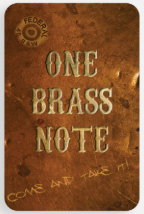
The third generation and current printing of DR:TX currency includes the Brass Note (1), the Lead Note (5), the Tin Note (10), and the Steel Note (20). These newest printings are all printed on thin plastic, and there are no known color variations. The Steel Note was the last note introduced, first available in Dystopia Rising Live in 2025.
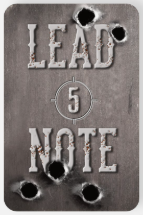
Lead Note (5)
Brass Note (1)
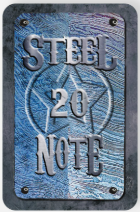
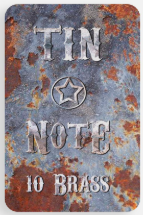
Steel Note (20)
Tin Note (10)
The second generation of Texas currency was usually printed on thicker plastic. There are several color variations in this generation, including a dark red, light brown, light yellow, and medium brown variant of the Brass Note, and a dark and light variant of the Lead Note. The old Lead Note only had 4 bullet holes and used a different curved pattern for the font. The Tin Note has two different coloration - a dark and light, and there is a thick plastic version that is identical to the current thin plastic printing. There are two known misprints in this era, a 2nd edition Brass Note and Tin Note that are printed upside down on the back side. There is a large quantity of this misprinted Brass and Tin in circulation, but they are otherwise the standard coloration. These are still legal tender in game but will eventually be retired.
Brass Note (1)
2.0 Printing - Red
Brass Note (1)
2.0 Printing - Yellow
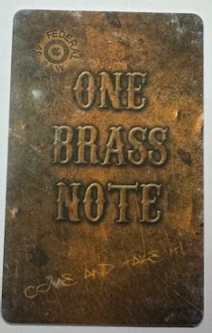
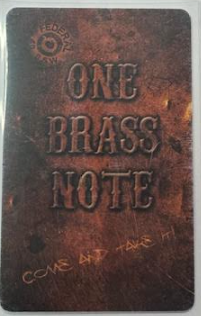
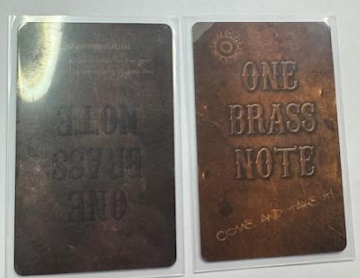
Brass Note (1)
2.0 Printing - Brown, Misprinted
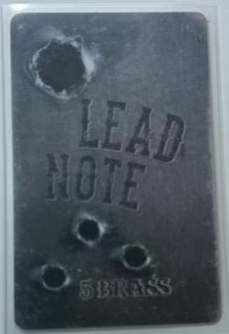
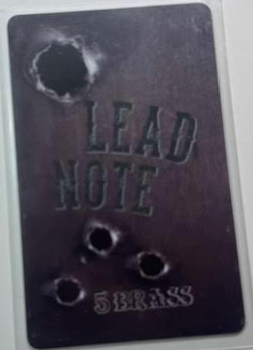
Lead Note (5)
2.0 Printing - Light
Lead Note (5)
2.0 Printing - Dark
local dead & Retired currency (texas)
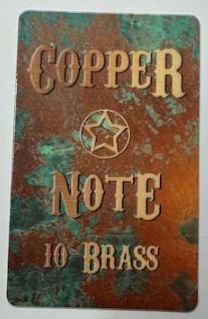
There are several dead currencies that are much harder to find, each connected to a part of DR: Texas history. The original “Brass Note” was printed on a thin plastic sealed paper and was retired at the start of the 2.0 edition. There are known counterfeits of this currency in the world, so this was the main reason it was retired. The counterfeit versions can be torn easily and do not have the plastic coating. There is also a very rare “Copper Note” that was the original unused art for the 10-note in 2.0 but was only printed in a very small quantity on thin plastic — less than 50 exist in total.
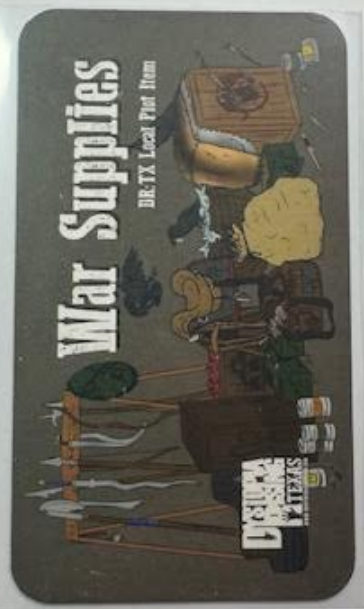
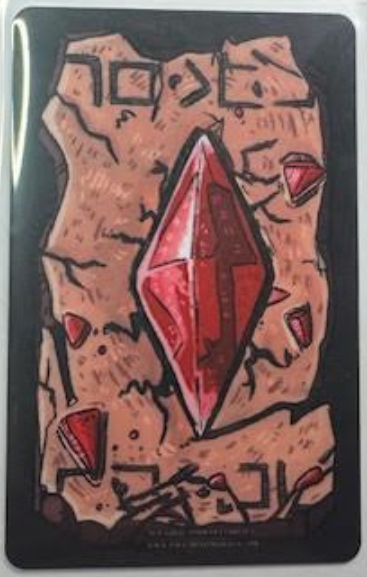
Over the course of 3.0, Texas released three major currency variations, the Amaranthite, the Shard of the Red Crown, and War Supplies. The Amaranthite was worth approximately 10 currency, while the Shard of the Red Crown was worth 20, and War Supplies had a variable cost depending on how you acquired them. The two crystal currencies were used for the Prince Undying arc, while the War Supplies was one of many “illustrated item cards” of 3.0, released in the greatest quantity during the year-long story of the War of Antlers. War Supplies and Amaranthite are printed on rounded edged thin cardstock, while the Shards are on the thick plastic like other currencies from 2.0.
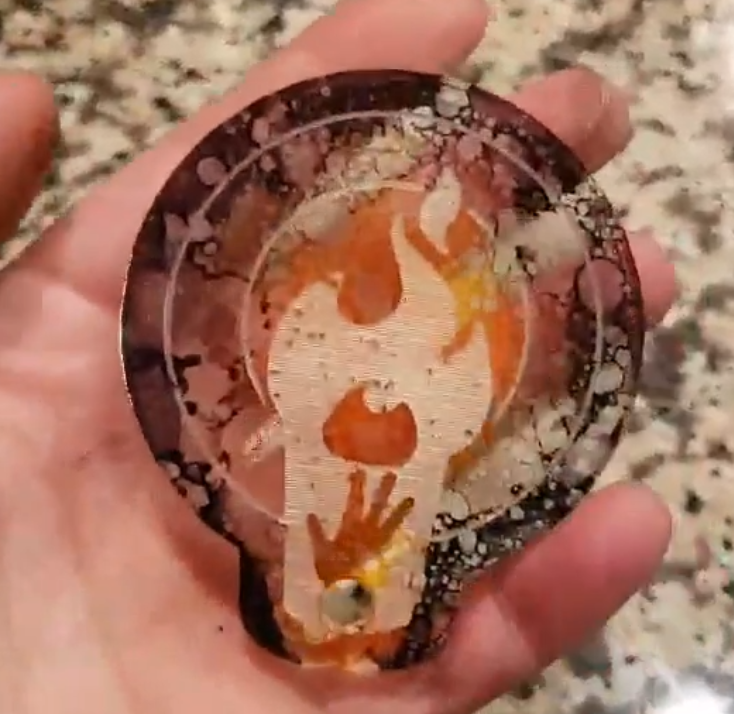
There are several other illustrated item cards would be considered the ‘non-currency collectibles’ and were only used during a single event, including the Black Spot, Water Rations, and variant Crystal Candy (silver, green, red, and blue). However, they each have unique art and I’ve seen these in several collections. I’ll list a few of the ones I’ve collected, but there is another 20 or so “San Saba Sundries” and “San Saba Keystone” item cards that I didn’t bother to collect. There were two items for each of the five Factions at the time, two at Basic Society Membership called Sundries, and two at Master Society Membership called Keystones. Most of the remaining stock of these illustrated item cards were destroyed or given away in 2024, so these can be quite rare if you care about that kind of thing. There is one older item card for a Patchwork, Inc. Membership that was used briefly during 1.0 by the local doctor guild that can be quite rare as very few survived over the years, and there were Standard and Gold versions of the card.
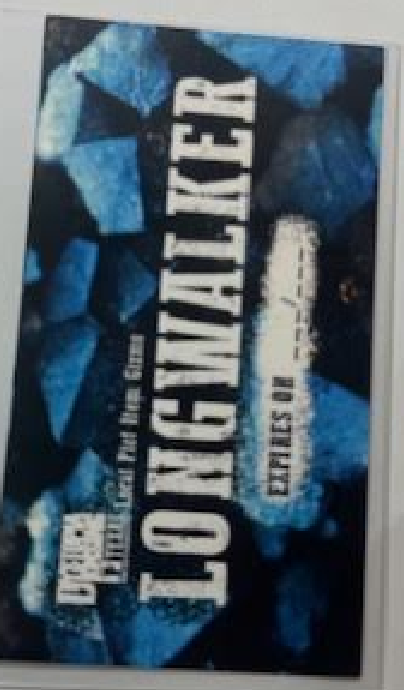
Blue Crystal Candy
Token of Fealty - Queensgrace
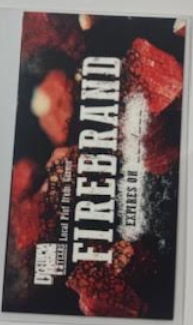
Red Crystal Candy
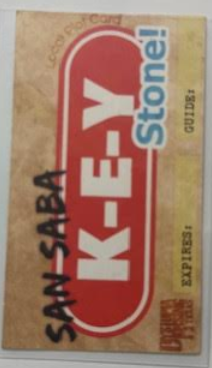
San Saba Keystone
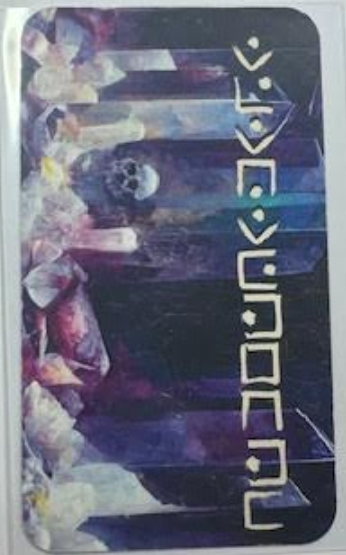
Amaranthite (5)
2.0 - Barogue Arc
War Supplies (1)
2.0 - War of Antlers
Shard of the Red Crown (20)
2.0 - Barogue Arc
Copper Note (10)
Rare Collectible
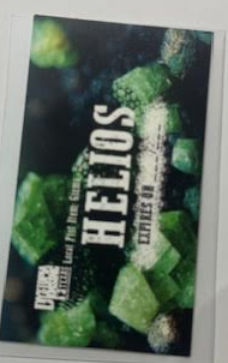
Green Crystal Candy
Local Non-Currency Collectibles (Texas)
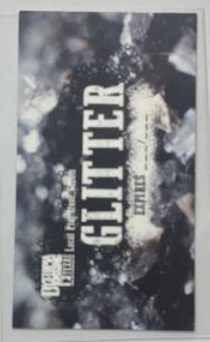
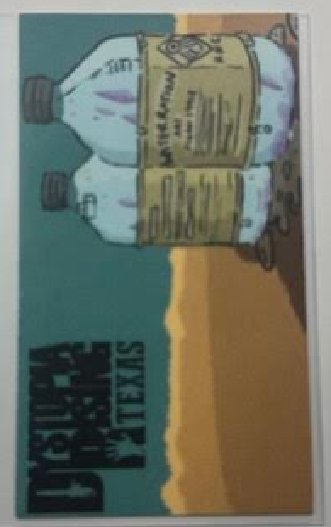
Water Ration
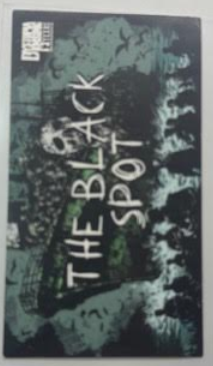
Black Spot
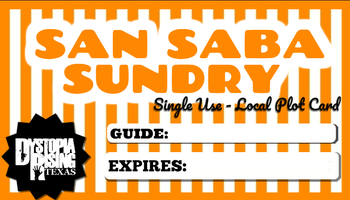
San Saba Sundry
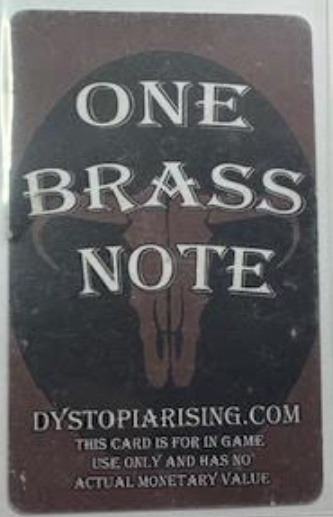
Brass Note (1)
Original 1.0 Printing
Silver Crystal Candy
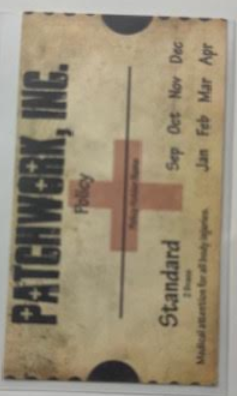
Patchwork, Inc. Membership